
Biohacking: Reprogramming the Human Experience
By Hayden Hudiburg
Biohacking, sometimes called “DIY biology,” is the practice of making small, strategic changes to one’s body or environment to improve physical or mental performance. These changes can range from simple lifestyle tweaks, like altering your sleep schedule or diet, to more experimental interventions, such as implanting microchips or using nootropic supplements. Rooted in curiosity and self-optimization, biohacking represents a new frontier at the intersection of biology, technology, and personal wellness.
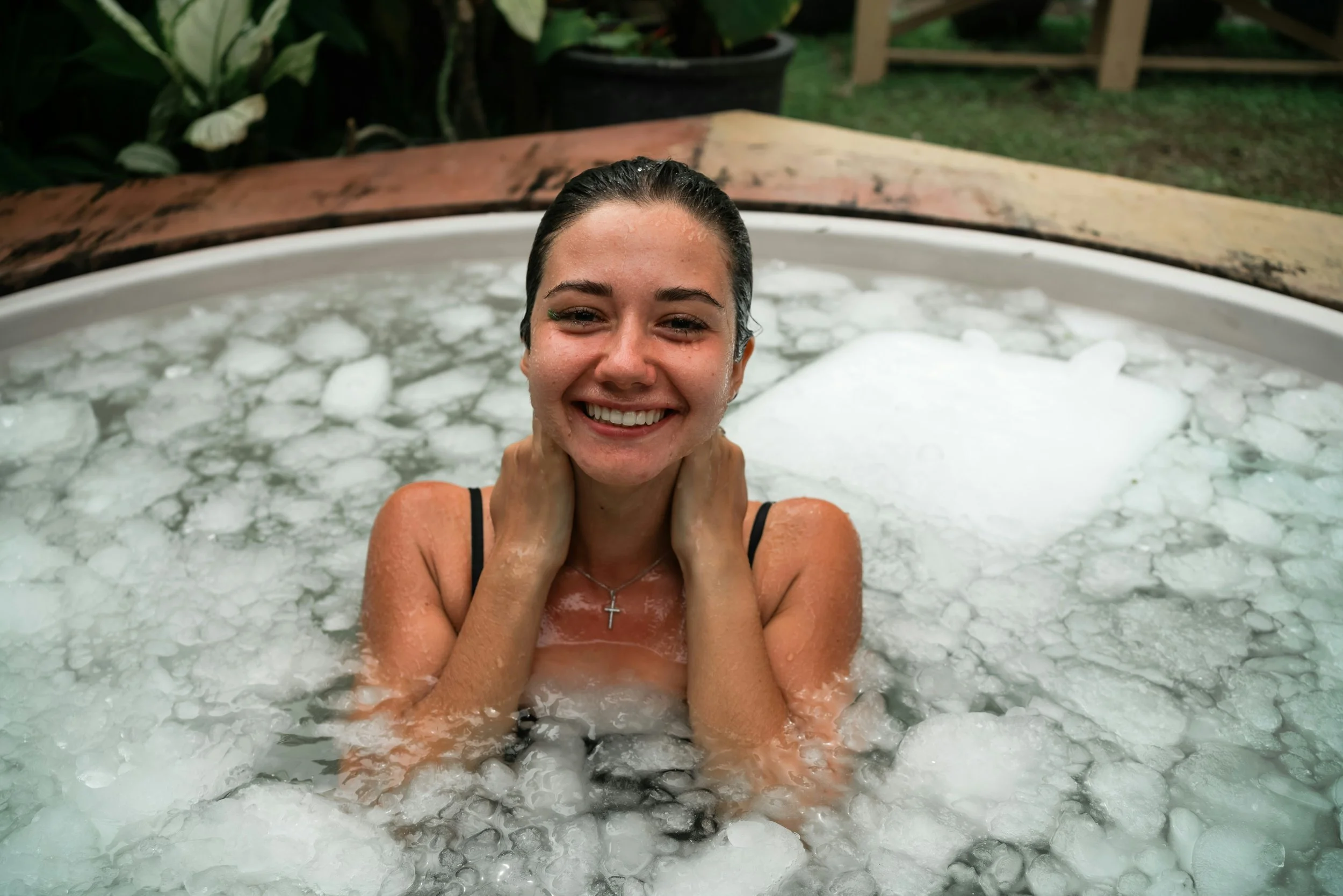
Photo by Dana Light courtesy of Unsplash
What’s In the Code?
At its core, biohacking is the belief that the human body is a system that can be improved, upgraded, and even reprogrammed. Biohackers experiment with various methods to better understand their biology and push the limits of their physical and mental capabilities.
Biohacking can be categorized into three main types:
1. Nutritional and Lifestyle Biohacking – This includes intermittent fasting, ketogenic diets, sleep optimization, cold plunges, red light therapy, and mindfulness practices.
2. Technological Biohacking – This involves wearables, neurofeedback devices, continuous glucose monitors, and even implantable tech to track and improve body metrics.
3. Biological or “Grinder” Biohacking – The most extreme form, where individuals may insert devices under their skin, use CRISPR for genetic editing, or pursue experimental hormone therapies.
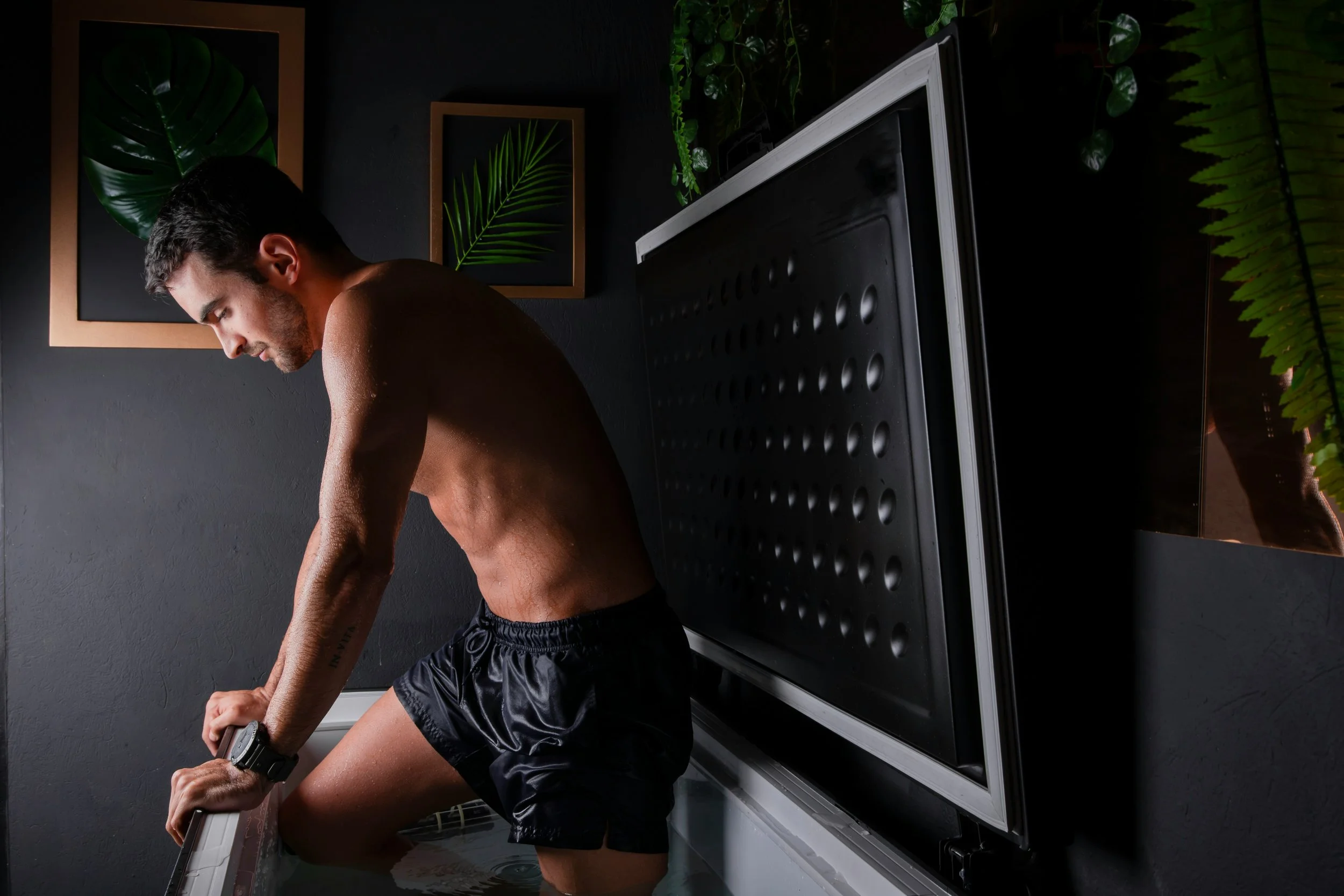
Photo by Pablo Merchan Montes courtesy of Unsplash
The Health Hackers
Biohacking isn’t limited to Silicon Valley entrepreneurs or fringe science enthusiasts, it’s gone mainstream. Executives, athletes, artists, and everyday health-conscious individuals are experimenting with biohacking techniques to increase productivity, reduce stress, and extend longevity.
Some well-known proponents of biohacking include:
Dave Asprey – Founder of Bulletproof and author of The Bulletproof Diet, he’s perhaps the most public figure associated with modern biohacking.
Dr. Rhonda Patrick – A biomedical scientist who focuses on nutritional biochemistry and aging.
Ben Greenfield – A former bodybuilder and Ironman triathlete turned health performance coach.
Local Hackers
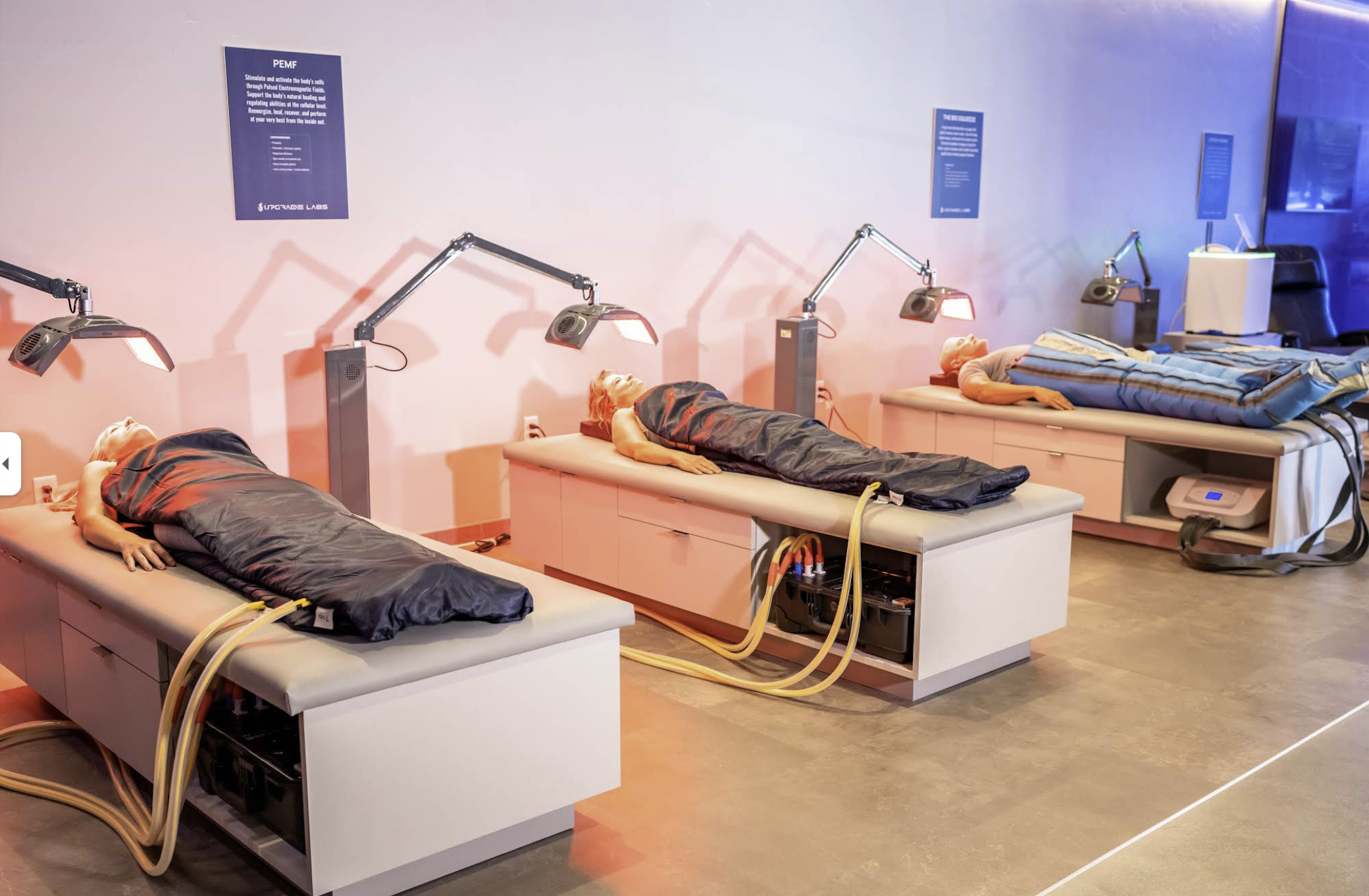
Upgrade Labs, Coeur d’Alene
Even in smaller towns and rural areas, biohacking is gaining traction. People are turning to red light therapy lamps, nootropics, and smart rings to gain better control over their health data and performance outcomes.
For instance here some local Biohackers in CDA:
Upgrade Labs – Riverstone, 2086 N Main St
Co-owned by Paul & Kayleen Tinker, this is one of the area's premier biohacking centers. They offer a “Cell Health Analysis” to measure biomarkers like inflammation, visceral fat, and phase angle, then curate a tailored protocol using cutting-edge tech
BioPerformance Institute (CDA Resort Shops, 210 E Sherman Ave)
A performance & recovery center offering hyperbaric oxygen therapy, PEMF, and other regenerative modalities. Their focus spans from athlete-level performance to lifestyle optimization
Northwest Integrated Health & Restoration Healthcare
These clinics offer functional and integrative medicine, with services like hormone/peptide therapy, IV nutrient drips, physical rehab, that share biohacking principles of personalized, data-driven health optimization.
Programmed To Be Different
The motivations for biohacking are as diverse as the people who do it. Some are chasing peak performance, while others are simply looking to manage chronic pain, mental health issues, or fatigue. With healthcare systems becoming more impersonal and data-driven, biohacking gives individuals the tools to take control of their own health in real time.
Some common goals include:
Enhancing cognitive function
Improving sleep quality
Balancing hormones naturally
Reducing inflammation
Slowing the aging process
Risks and Rewards
While biohacking can be empowering, it’s not without risk, especially when experimenting with untested substances or unregulated tech. Some interventions, like dietary changes or cold showers, are relatively low-risk. But others, such as injecting peptides or modifying DNA, carry serious consequences and should never be done without medical guidance.
That said, many biohackers report significant improvements in energy, focus, and mood using safe, research-backed methods. The key is approaching biohacking with both curiosity and caution.
The Last Line of Code
Biohacking is more than a trend, it’s a movement toward self-directed health optimization in a fast-paced world. Whether you're tracking your sleep with a wearable, sipping butter coffee, or undergoing ozone therapy, biohacking is ultimately about understanding and improving your body’s performance with intention.
As science, technology, and health continue to intersect, the future of biohacking may hold even more personalized and powerful tools for living better, longer, and more fully.

About Hayden
Hayden is a local writer and editor whose path has led him on a journey of discovery and exploration. He is currently working on his debut book series and is an ex-amateur MMA fighter.