
By Jon Anderson
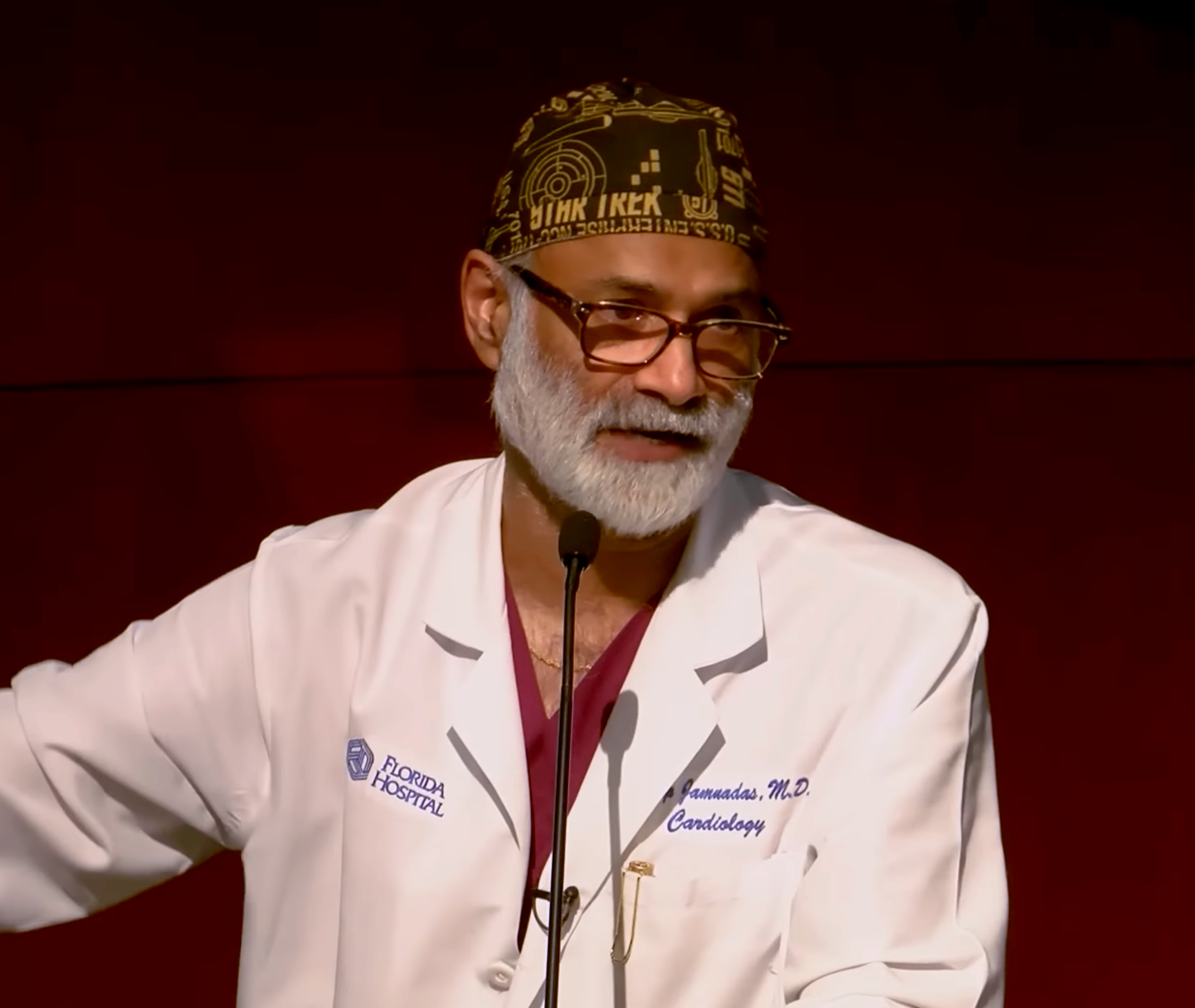
One of my favorite videos on fasting is, “Fasting for Survival”, by cardiologist Dr. Pradip Jamnadas, MD in which he lays out a compelling case for why deliberately abstaining from food — even for extended periods — can be a powerful tool for improving health, preventing chronic disease, and promoting longevity.
With over 10 million views and thousands of endorsements from fasting communities online, this talk has become something of a rallying point for people seeking a deeper understanding of how the human body responds to food timing and restriction.
Why Fasting Matters
Dr. Jamnadas approaches fasting not as a trendy weight-loss fad but as a biological reset mechanism — a way to allow the body to shift its energy use, reduce metabolic stress, and improve internal regulation.
According to the medical description accompanying the video, he explains that dietary restriction — including periods of zero calorie intake — has a scientific rationale rooted in human physiology.
Key points often highlighted by fasting advocates who reference this lecture include:
Reduced insulin load: Constant eating keeps insulin chronically elevated, which over time can promote fat storage and metabolic dysfunction. Periods without food allow insulin levels to fall, shifting the body into fat burning and reducing insulin resistance.
Metabolic flexibility: Fasting encourages the body to use different fuels — including stored fat — rather than relying solely on glucose. Many people report more stable energy and mental clarity once their bodies adapt.
Cellular repair processes: Extended fasting is thought to trigger mechanisms such as autophagy, where cells clean up damaged components — a process associated with improved long-term health in lab models and increasingly studied in humans.

Fasting Beyond Weight Loss
One reason this talk resonates is that Dr. Jamnadas is a cardiologist, and many viewers appreciate hearing fasting discussed not just in terms of diet culture but from a physician concerned with heart health and disease prevention. On community forums like Reddit and Facebook, people describe the lecture as “informative and motivating,” especially for those who’ve struggled to maintain health improvements with conventional dieting alone.
This perspective — fasting as a strategy for survival and resilience rather than simply weight management — is a recurring theme.

What Viewers Say
Comments from viewers who’ve watched the lecture reflect the video’s impact:
Some have used it as motivation to extend fasting windows beyond typical intermittent fasting and explore longer fasts.
Others share that having a medical doctor explain the benefits made them feel more confident and less fearfulabout trying fasting themselves.
Across platforms, the talk is recommended as a resource for understanding why fasting works, not just how to do it.
A Word of Caution
While many proponents applaud the insights in the lecture, it’s essential to note that fasting isn’t appropriate for everyone. Individuals with certain medical conditions, pregnant or breastfeeding people, children, and those with a history of eating disorders should consult a healthcare provider before attempting extended periods without food.
The video itself includes a typical medical disclaimer that the information should not replace individualized medical advice.

About Jon
Local Healers founder, Jon Anderson, is a seeker, spiritual facilitator, creator, connector, and purveyor of all things positive. His 25+ year career as a designer and creative director has led him around the world and he currently calls Coeur d’Alene, Idaho home.
