
Alternative PTSD Therapies for Veterans
By Rob Levine
Post-traumatic stress disorder (PTSD) is a profound challenge for many who have served. While conventional treatments such as psychotherapy and medication remain critical, many veterans find complementary or alternative approaches offer additional relief, foster resilience, or fill gaps when more established therapies don’t suffice.
In this article, I explore a range of alternative PTSD therapies that veterans may consider—always in consultation with medical and mental-health professionals.

Why Explore Alternative PTSD Therapies?
Medication and standard talk therapy are often the first lines of treatment, but they’re not perfect. Medications may carry side effects or limited benefits for some individuals. Trauma is deeply personal, and the route toward healing is rarely uniform.
Alternative therapies can offer:
Holistic support — addressing body, mind, spirit
Non-pharmacological options — for those wary of or unable to tolerate medications
Complementary benefits — e.g. stress reduction, pain relief, emotional regulation
Agency and choice — empowering veterans to experiment with what resonates
These therapies are not a replacement for evidence-based care, but many can be safely integrated into a broader, personalized plan.
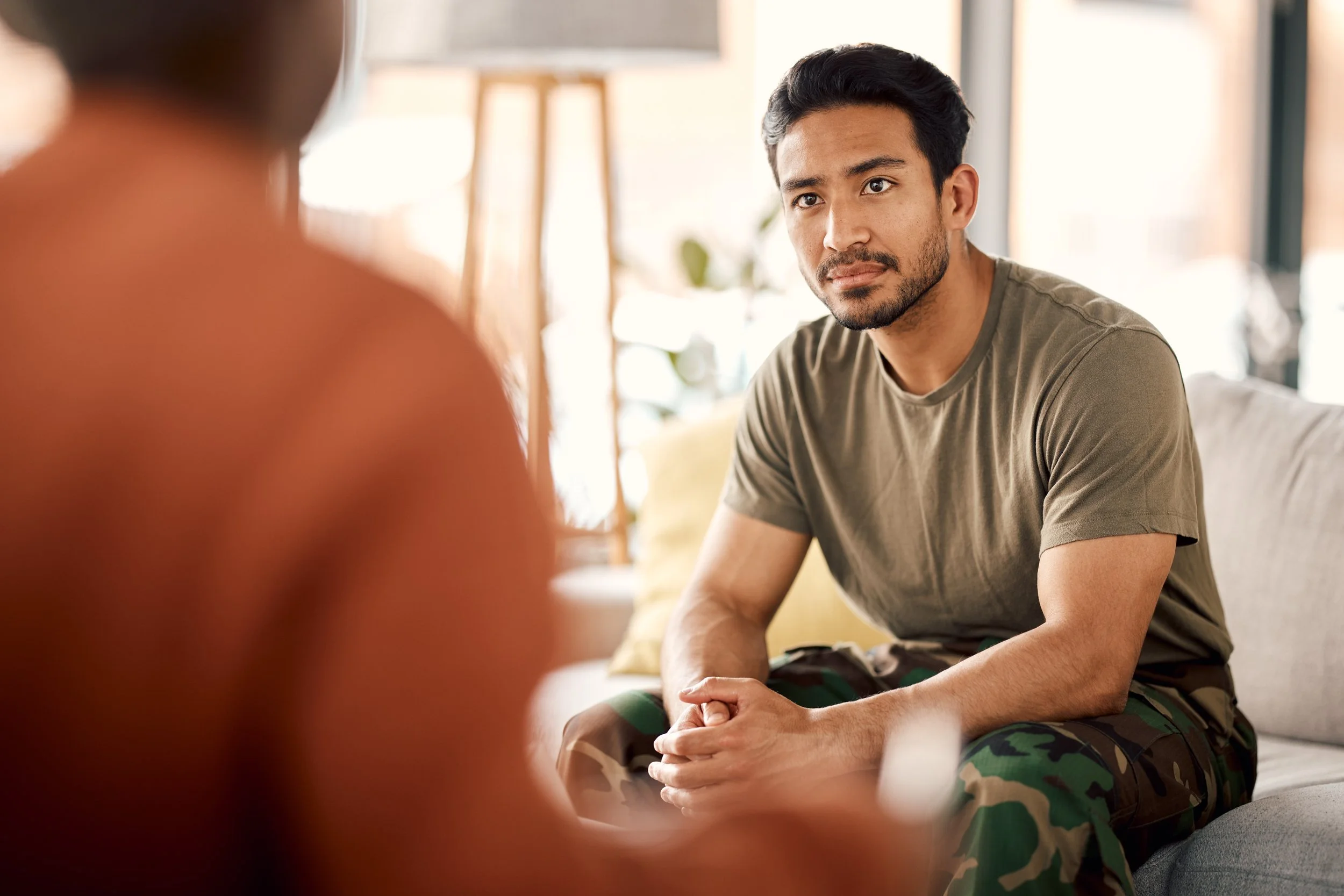
Promising Alternative Therapies for PTSD
Below are several alternative therapies veterans have explored, along with what the current research and anecdotal reports suggest.
Acupuncture
A mainstay in traditional Chinese medicine, acupuncture has been studied in PTSD populations. Some studies suggest it can reduce symptoms of trauma and depression. Treatments typically last about 30 minutes, over periods ranging from days to months. Beyond mental health benefits, acupuncture may also aid chronic pain and tension.
Yoga & Meditation
Mind–body practices like yoga and meditation can enhance emotional regulation, reduce anxiety, and foster resilience. Especially for veterans, integrating physical movement with breath and mindfulness provides a grounding outlet that complements verbal therapies.
Art & Music Therapy
Creative expression offers a nonverbal path into trauma processing. Research indicates that therapies centered on music or art can reduce PTSD symptoms and foster social connection among veterans. For example, group music instruction has shown promise in improving mental health outcomes in veteran populations.
Reiki
A Japanese energy-based healing technique, Reiki is gentle and noninvasive. While rigorous scientific support is limited, many individuals report improvements in mood, sleep, and stress levels. Reiki is often used as a supportive practice rather than a stand-alone treatment.
Aromatherapy
Using essential oils such as lavender, bergamot, or frankincense, aromatherapy can promote relaxation, reduce anxiety, and support sleep. In a small pilot study involving military personnel and first responders, inhaling bergamot oil over a two-week period was associated with reductions in anxiety and improved sleep quality.
Equine-Assisted Therapy
Working with horses offers a powerful experiential medium. Veterans engaging with horses (through guided interaction or riding) have reported better emotional regulation and lower PTSD symptoms. One therapeutic ranch program, Dare to Dream Ranch in Rhode Island, provides such services for veterans and their families.
Massage Therapy
Massage is increasingly used as a complementary intervention for people with PTSD, particularly to relieve physical tension and stress. Some veterans report decreases in pain, irritability, and anxiety following regular massage sessions.
Mind-Body / Somatic Approaches
Somatic therapies focus on body sensations and aim to release trauma held in the nervous system. During sessions, clients tune into physical sensations and gradually increase tolerance to distress, allowing the body to discharge stuck trauma. While empirical data is still emerging, many find these approaches deeply healing.
Service Animals
Trained service dogs can offer emotional grounding and support to veterans experiencing PTSD. They may help mitigate anxiety, nightmares, and isolation, offering companionship and regulation through their presence. Evidence suggests real therapeutic benefit in many cases.
Meditation Retreats
Immersive retreats that combine nature, guided reflection, and structured wellness practices are sometimes available to veterans. For example, programs such as MycoMeditations offer week-long retreats designed to nurture mental health, connection, and growth in serene settings.
Important Considerations & Best Practices
When exploring alternative therapies, veterans and clinicians should be mindful of:
Safety and credentials — Choose certified, experienced practitioners who understand trauma.
Integration with conventional care — Alternative approaches should augment—not replace—evidence-based treatments.
Individual variation — What works for one may not work for another.
Ongoing evaluation — Track outcomes, adjust approach, and consult professionals regularly.
Expectations — These modalities often support incremental healing, not overnight cures.
Resources & Programs for Veterans
Veterans have access to supportive programs that promote holistic healing:
The U.S. Department of Veterans Affairs offers complementary and integrative health options
Wounded Warrior Project provides wellness, therapeutic arts, and outdoor programming
Give an Hour offers free mental health services to veterans and their families
Veterans Yoga Project supports trauma-informed yoga and mindfulness for veterans
Operation Mend (UCLA Health) offers integrated therapies including massage, acupuncture, and mind–body practices
Final Thoughts
Healing from PTSD is rarely linear, and no single method suffices for every veteran. My hope—and conviction—is that by highlighting alternative paths, more veterans can find practices that resonate deeply, reduce suffering, and support sustained recovery.
If you are a veteran considering alternative therapies, I encourage you to speak with qualified mental health professionals, explore carefully vetted practitioners, and proceed with hope and discernment.
About Rob
Attorney, entrepreneur, and philanthropist Rob Levine—known as “THE HEAVY HITTER®”—has over 24 years’ experience securing $2 billion for 50,000+ clients. Founder of Rob Levine Law and Legal Solutions, he also leads major charitable initiatives while remaining deeply committed to family and community service.
Rob Levine Law